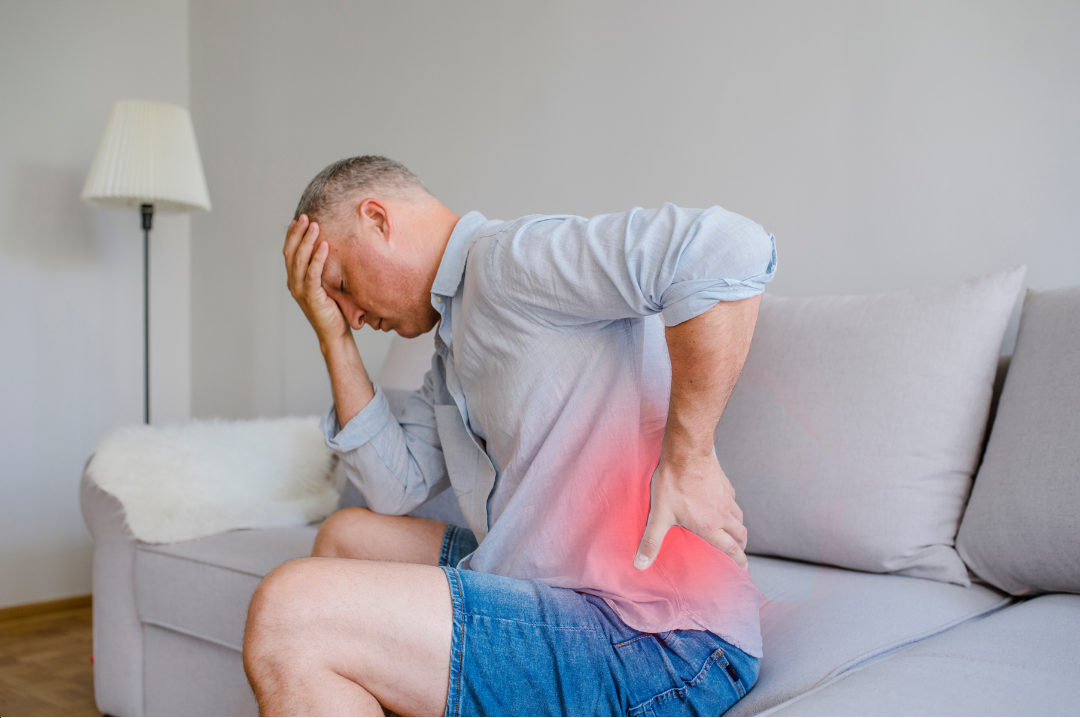
Understanding Chronic Back Pain
Back pain is generally considered chronic when it persists beyond the expected period of tissue recovery. It may relate to muscles, joints, discs, nerves, arthritis, prior injury or several overlapping factors.
Pain intensity does not always correspond directly to the amount of tissue damage. Sleep, stress, activity levels, work demands and previous episodes can also influence symptoms and function.
This article discusses back pain broadly. For pain that began after a collision, see the dedicated guide to back pain after a car accident.
Strategies That May Support Back Pain Management
Begin with an appropriate evaluation
A medical evaluation can review symptom history, movement, strength, sensation and warning signs. Imaging or other testing is not necessary for every case and should be considered in context.
Keep moving within a tolerable range
Prolonged bed rest can contribute to stiffness and loss of conditioning. Walking, gentle mobility work or other low-impact activity may be useful when it can be performed safely and symptoms are monitored.
Use progressive rehabilitation
Exercise may focus on strength, endurance, mobility and confidence with everyday movement. An individualized rehabilitation plan should be adjusted when symptoms or function change.
Review ergonomics and daily demands
Changing positions regularly, arranging frequently used items within reach and using suitable support can reduce unnecessary strain. There is no single perfect posture; variation and movement are also important.
Discuss pain-management options
Heat, short periods of cold, pacing and relaxation strategies may provide temporary symptom relief for some people. Clinical pain-management options depend on diagnosis, health history, goals and response to previous care.
When Back Pain Needs Prompt Attention
Seek prompt medical care for new weakness, loss of bladder or bowel control, numbness in the groin or saddle area, fever with back pain, unexplained weight loss or pain following significant trauma.
Call emergency services for rapidly progressing weakness, loss of bladder or bowel control, severe trauma or other urgent symptoms.