Upper Back
Discomfort may involve the area around the shoulder blades and upper spine.
75 South 200 East Provo, UT 84606
Clinic Hours vary by location.
Car Accident Injuries
Back pain after a collision may involve muscles, joints, soft tissues or structures of the spine.
A medical evaluation can help determine what may be contributing to your symptoms and what care may be appropriate.
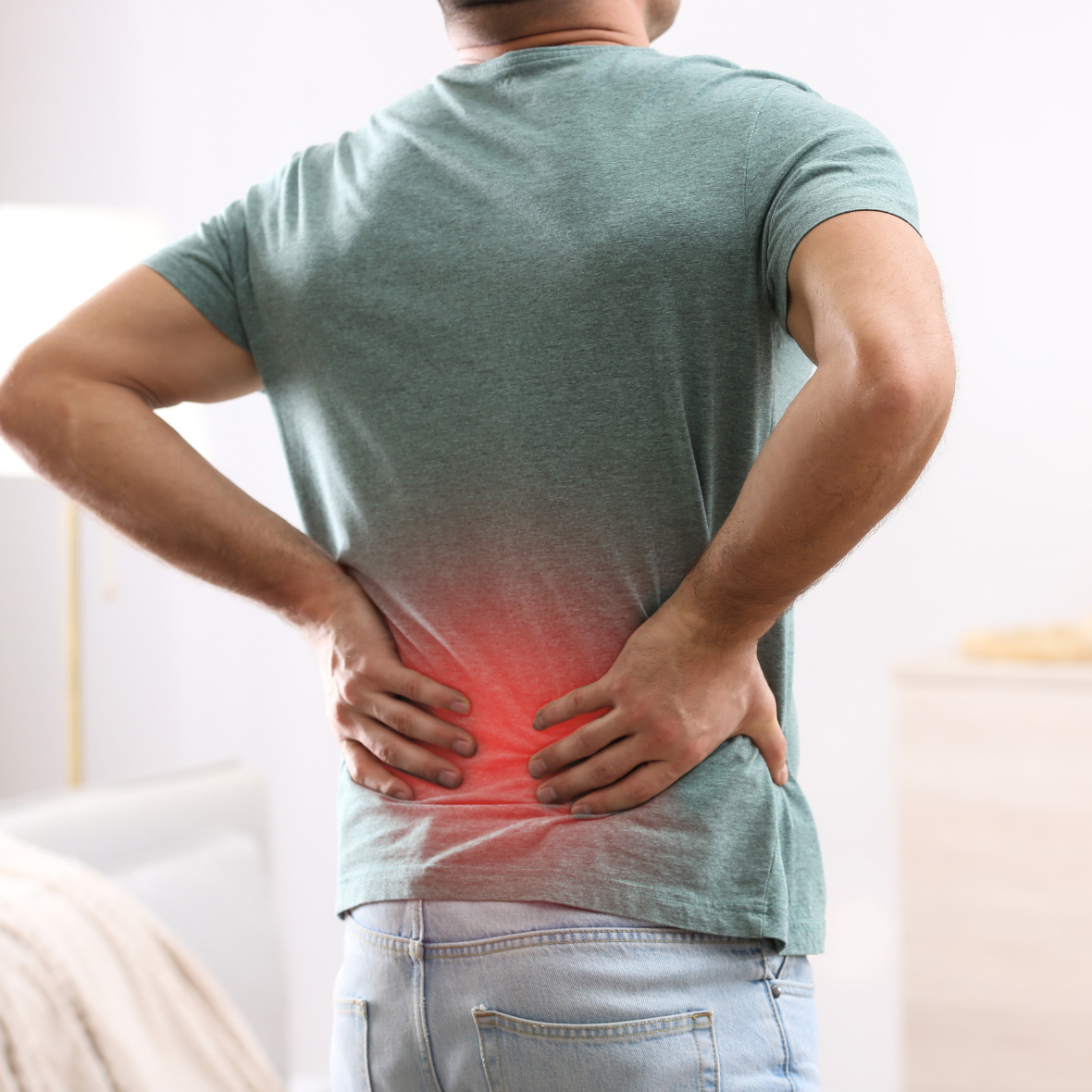
Possible contributing structures
Collision forces may affect muscles, ligaments, joints, soft tissues or structures of the spine. Nerve irritation may be relevant in some cases.
Back pain alone does not identify the structure involved, and it does not automatically indicate a disc injury or other specific diagnosis.
Location matters
Symptoms may affect one region of the back or more than one area.
Discomfort may involve the area around the shoulder blades and upper spine.
Symptoms may affect the thoracic region and movement of the trunk.
Pain or stiffness may affect bending, sitting, standing and walking.
Symptoms and mobility
Symptoms vary and may have several possible causes.
Discomfort may affect rest or movement.
Soreness may affect trunk movement.
Symptoms may occur around the shoulder blades.
Back muscles may feel tense or tender.
Normal movement may feel restricted.
Bending or changing position may hurt.
Daily movement may feel limited.
Maintaining a position may increase discomfort.
Altered sensation can be clinically relevant.
Symptoms may evolve
Some symptoms may become more noticeable as soreness, stiffness or inflammation develops after the collision. Timing alone does not establish a diagnosis.
Learn About Medical EvaluationA practical distinction
Mild soreness can occur after a collision, but pain that persists, worsens or limits movement may justify medical evaluation. Persistent pain does not automatically mean structural damage.
Clinical assessment
Evaluation may consider the collision mechanism, pain location, range of motion, tenderness, strength, neurologic symptoms and functional limitations.
See How Medical Evaluation WorksTesting based on findings
Not every patient needs imaging. Diagnostic studies may be considered based on symptoms, physical examination, neurologic findings, severity and clinical concern.
Function after a collision
Care based on findings
Treatment depends on location, severity, examination findings, neurologic symptoms, mobility, associated injuries and individual needs.
Restoring function
Restoring safe movement, mobility and function may be part of a coordinated recovery plan when clinically appropriate. Recommendations depend on evaluation and progress.
Learn About Accident RehabilitationProgress is individual
Recovery varies with the type and severity of injury, overall health, mobility, associated injuries, treatment needs and follow-up. No universal timeline or outcome applies to every patient.
A clearer next step
A medical evaluation can help identify what may be contributing to your symptoms and guide the next step in care.
Precision Medical provides accident-related medical care in Provo and other Utah locations. Meet our medical providers.